Complete Pet Care Guide
Health and Grooming Essentials for Happy, Healthy Pets
Five Essential Steps to Pet Grooming
Brush Regularly
Daily brushing removes loose fur, prevents matting, and distributes natural oils throughout your pet's coat. This simple step improves circulation and keeps skin healthy.
Bathe with Care
Use lukewarm water and pet-appropriate shampoo every 4-6 weeks. Gentle bathing removes dirt, reduces odour, and strengthens the skin barrier whilst maintaining your pet's natural protective oils.
Nail Trimming
Keep nails at a comfortable length to prevent overgrowth and discomfort. Regular trimming encourages proper posture, reduces joint stress, and minimises scratching on furniture.
Ear & Eye Care
Check ears weekly for debris and clean gently with a damp cloth. Wipe eyes regularly with soft cotton pads to prevent build-up and maintain comfort and clarity.
Dental Health
Brush teeth 3-4 times weekly with pet-safe toothpaste. Proper dental care prevents plaque build-up, strengthens gums, and supports overall health and fresh breath.
Understanding Your Pet's Health Needs
Every pet is unique, with individual health requirements based on age, breed, and lifestyle. Recognising early signs of wellness allows you to provide proactive care and maintain a long, vibrant relationship with your companion.
Regular observation of behaviour, appetite, and energy levels gives you valuable insight into your pet's wellbeing. Consistent grooming routines also allow you to spot skin changes, lumps, or other physical differences early.
Our guides cover breed-specific needs, seasonal considerations, and age-appropriate care strategies. Whether you have a puppy, adult, or senior pet, understanding their unique requirements ensures they thrive at every life stage.
Key Features of Our Pet Care Coverage
Breed-Specific Guides
Detailed articles tailored to your pet's breed, covering unique grooming needs, coat types, temperament traits, and health considerations specific to different breeds and mixes.
Professional Grooming Tips
Learn techniques used by professional groomers, including proper brushing methods, coat maintenance, and styling approaches to keep your pet looking and feeling their best.
Health Monitoring Advice
Comprehensive guidance on observing vital signs, recognising changes in behaviour, and maintaining wellness through proper nutrition, exercise, and preventative care routines.
Seasonal Care Guides
Seasonal considerations for every climate, from winter coat maintenance and summer heat management to parasite prevention and allergy awareness throughout the year.
Nutrition & Diet Tips
Evidence-based information on proper nutrition for different life stages, dietary requirements, weight management, and feeding practices that support long-term vitality.
Wellness Routines
Daily and weekly routines designed to support physical and mental wellbeing, including play, socialisation, training, and relaxation practices for balanced pet development.
Photo Galleries: Grooming Transformations & Pet Care
Grooming Transformations
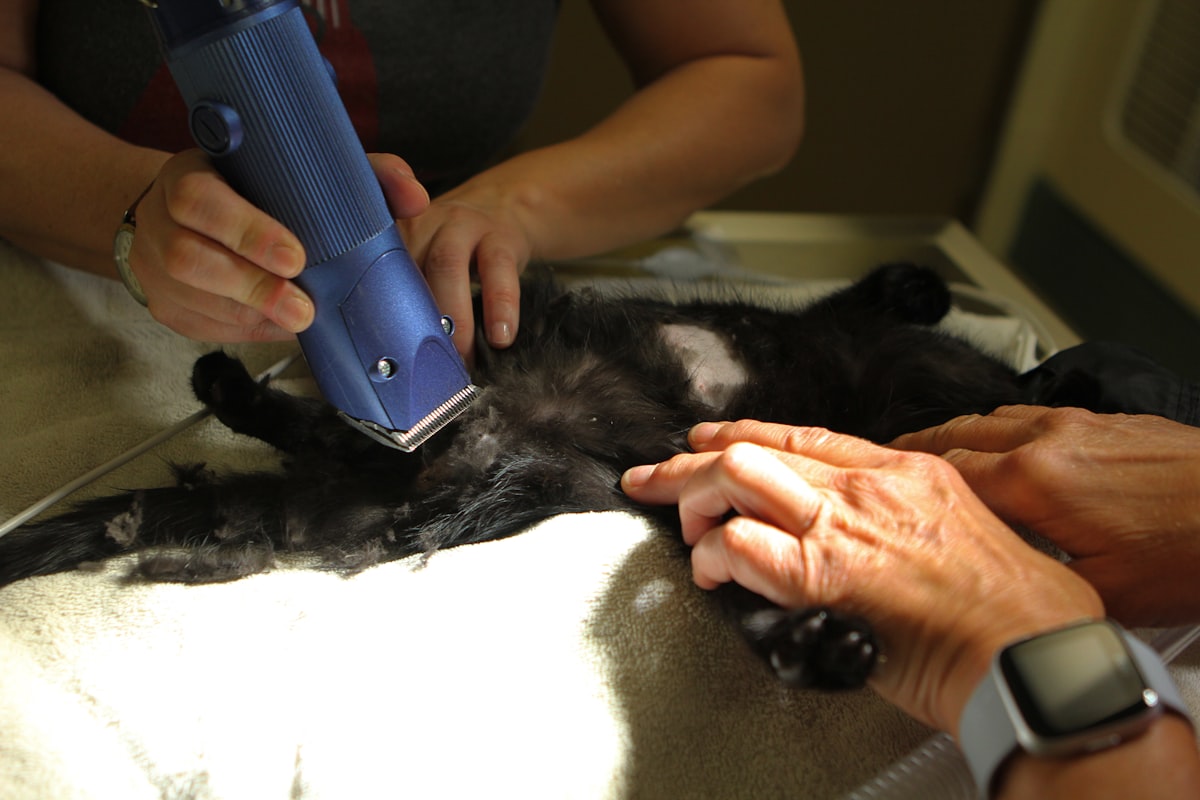
See the remarkable difference professional grooming techniques can make in coat appearance and overall pet comfort.
Dental Care Guide
Visual reference for proper teeth brushing, plaque removal, and maintaining healthy gums throughout your pet's life.
Bathing Best Practices
Step-by-step visual guide to safe, comfortable bathing methods that reduce stress and improve coat quality.
Nail Care Techniques
Safe trimming methods to prevent overgrowth, maintain proper posture, and keep your pet comfortable during grooming sessions.
Brushing & Coat Care
Comprehensive guide to different brush types, techniques for various coat lengths, and preventing mats and tangles.
Ear & Eye Health
Gentle cleaning methods to maintain healthy ears and eyes, with visual indicators of normal versus concerning signs.
Common Pet Health & Grooming Questions
Grooming frequency depends on your pet's breed, coat type, and lifestyle. Short-haired pets typically need grooming every 8-12 weeks, while long-haired breeds may need it every 4-6 weeks. Daily brushing helps remove loose fur and prevents matting regardless of breed. Cats and dogs with double coats benefit from frequent brushing during shedding seasons to reduce loose hair and improve coat health.
A healthy coat is shiny, smooth, and free from mats or tangles. Skin should be clean, without excessive flaking, redness, or sores. Your pet's coat should have a consistent appearance without bald patches or areas of discolouration. Regular brushing reveals any changes early, allowing you to adjust grooming or nutrition as needed. A balanced diet and proper hydration also play essential roles in maintaining coat lustre and skin quality.
Start with gentle, short brushing sessions to help your pet become accustomed to grooming. Use a brush appropriate for your pet's coat type and avoid pulling on mats or tangles. Work in the direction of hair growth, using light pressure. Reward your pet with treats and praise to create positive associations. If your pet shows signs of discomfort, take a break and resume later. Conditioning sprays can help detangle stubborn knots without pain.
When trimming nails, avoid the pink quick (blood vessel) inside the nail. For light-coloured nails, you can see the quick as a pink circle near the centre. For dark nails, trim small amounts and stop when you see a dark dot in the centre, indicating you're approaching the quick. Trim nails at a 45-degree angle for comfort. If your pet has dewclaws, don't forget them. Trim every 2-4 weeks or when nails touch the ground during walking.
Dental care should be part of your daily routine. Brushing your pet's teeth 3-4 times weekly with pet-specific toothpaste helps prevent plaque and tartar build-up. Some pets benefit from daily brushing, especially as they age. Chew toys designed for dental health also support natural cleaning. Regular observation for bad breath, tooth discolouration, or difficulty eating are important signs to discuss with your veterinary provider, as these may indicate underlying concerns.
A diet rich in high-quality proteins, omega-3 and omega-6 fatty acids, and essential vitamins supports coat health. Fish oil supplements, eggs, and foods containing zinc and biotin promote shine and strength. Ensure your pet's diet includes balanced nutrition appropriate for their age and activity level. Fresh water keeps skin hydrated from within. Seasonal adjustments may be needed during shedding periods to support healthy hair growth and maintain coat quality.
What Pet Owners Are Saying
"The grooming guides have completely changed how I care for my Golden Retriever. The step-by-step brushing techniques are so clear, and my dog's coat has never looked better. I especially appreciate the seasonal care tips that help manage shedding throughout the year."
Margaret Thompson
Manchester
"As a first-time cat owner, the breed-specific guides helped me understand my Persian's unique needs. The dental care section was especially valuable – I never realised how important tooth brushing was for cats. My vet has noticed the improvement in her overall health."
James Chen
Liverpool
"The health monitoring advice has given me confidence to notice changes early. When I spotted something concerning with my Labrador's skin during grooming, I caught it quickly. The detailed guidance made it easy to follow proper grooming techniques and maintain excellent health standards."
Sarah Wilmott
Birmingham
Subscribe to Our Latest Pet Care Articles
Receive our newest grooming tips, health insights, and seasonal care guides delivered to your inbox. Stay informed and keep your pet healthy and happy.
We respect your privacy. Unsubscribe at any time.
Ready to Transform Your Pet's Care Routine?
Read Our Articles
Explore comprehensive guides on grooming, health monitoring, nutrition, and breed-specific care to optimise your pet's wellbeing.
Discover ArticlesBrowse Our FAQs
Find quick answers to common questions about grooming frequency, coat care, dental health, nutrition, and overall pet wellness.
View FAQs